
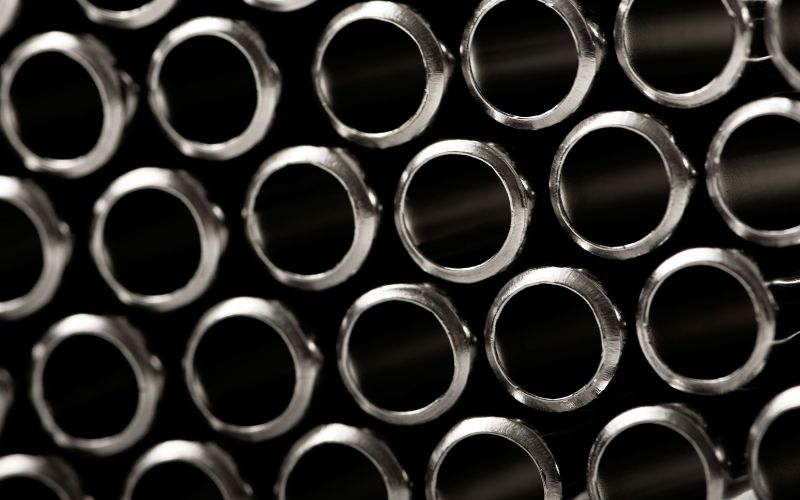
Explore the ultimate guide to piping solutions with our comprehensive comparative analysis. Discover why stainless steel outshines other materials in durability, corrosion resistance, and cost-effectiveness.
The choice of materials for piping solutions plays a crucial role in various industries, influencing factors such as durability, corrosion resistance, cost-effectiveness, and overall performance. In this article, we will delve into a detailed comparative analysis of stainless steel against other commonly used materials in piping applications.
DURABILITY AND LONGEVITY
Stainless steel stands out for its exceptional durability and longevity. Unlike materials such as plastic or copper, stainless steel pipes resist corrosion, rust, and degradation over time. This characteristic makes stainless steel a preferred choice for applications requiring a robust and long-lasting piping solution.
CORROSION RESISTANCE
One of the primary advantages of stainless steel is its remarkable resistance to corrosion. Unlike materials like iron that are prone to rusting, stainless steel maintains its integrity even in harsh environmental conditions. This resistance is particularly crucial in industries where exposure to corrosive substances is common.
STRENGTH AND STURDINESS
Stainless steel pipes exhibit high strength and sturdiness, making them suitable for demanding applications. When compared to materials like PVC or aluminum, stainless steel provides superior structural integrity, ensuring the integrity of the piping system, especially in high-pressure and high-temperature environments.
TEMPERATURE RESISTANCE
Stainless steel performs exceptionally well across a broad temperature range, making it suitable for applications involving extreme temperatures. This characteristic surpasses that of materials like plastic, which may become brittle in cold temperatures or deform under high heat.
COST-EFFECTIVENESS IN THE LONG RUN
While the initial cost of stainless steel may be higher than some alternatives, its long-term cost-effectiveness becomes evident. The extended lifespan, minimal maintenance requirements, and resistance to replacement due to corrosion contribute to significant cost savings over time, making stainless steel a wise investment.
ENVIRONMENTAL IMPACT
Stainless steel is highly recyclable, making it an environmentally friendly option compared to materials like PVC or other plastics. The recyclability of stainless steel reduces the environmental footprint associated with manufacturing new materials, aligning with sustainability goals.
CHEMICAL COMPATIBILITY
Stainless steel exhibits excellent chemical compatibility, making it suitable for a wide range of applications. This contrasts with materials like copper, which may react with certain chemicals, compromising the integrity of the piping system and potentially impacting the transported substances.
CONCLUSION
In the realm of piping solutions, the choice between stainless steel and other materials involves a careful consideration of various factors. While each material has its merits, stainless steel emerges as a versatile and reliable option, offering a balance of durability, corrosion resistance, strength, and long-term cost-effectiveness. Ultimately, the specific requirements of the application will determine the most suitable material, but the enduring popularity of stainless steel attests to its exceptional performance across diverse industries.
